Key Repair or Full Replacement for a Worn Car Key
Car keys take a surprising amount of daily punishment. They get dropped on pavement, shoved into tight pockets, and twisted against worn ignition cylinders. Over time, the plastic housing cracks, the metal blade wears down, and the internal electronics start to behave erratically. When your car key no longer works as it should, you have two basic paths: repair the existing key, or replace it entirely. Each option has its place, and the right choice depends on what exactly has failed and how much of the key is still usable.
Assessing the Damage: Which Part Is Failing?
A modern car key is really three components in one shell: the key blade, the electronics (transponder chip or remote circuit board), and the physical housing that holds everything together. A worn key might suffer from any combination of these. Before deciding on repair versus replacement, it pays to figure out which part is causing the problem.
The key blade is the metal part that enters the ignition or door lock. Over years of use, the blade can wear down at the edges, especially if the lock cylinder itself is a bit worn. A worn blade may still turn a fresh lock, but in an older lock it can slip or fail to engage properly. If your key goes into the lock but feels loose, or you have to jiggle it to get it to turn, the blade is likely the culprit.
The electronics inside a key fob are more delicate. The button membrane can perish or crack, the circuit board can develop a cold solder joint, or the battery contacts can corrode. A key that works intermittently, or only when you press the buttons in a certain way, often has an electronic issue. The transponder chip itself is usually robust, but it can fail if the key has been through a washing machine or suffered a hard impact.
The housing is the plastic or rubber casing that holds everything. Cracks, missing button covers, or a broken key ring loop make the key unpleasant to use, but they don't always affect function. However, a badly cracked housing can let dirt and moisture reach the electronics, which will cause problems down the line.
When Repair Makes Sense
Repair is usually the faster and simpler option when the problem is limited to one part of the key. If the blade is worn but the electronics and housing are fine, a locksmith can cut a new blade and transfer the transponder chip and remote board into it. This kind of repair is often straightforward for standard keys where the blade is a separate piece that can be removed from the fob. For flip-out or switchblade style keys, the blade assembly can be replaced without touching the electronics.
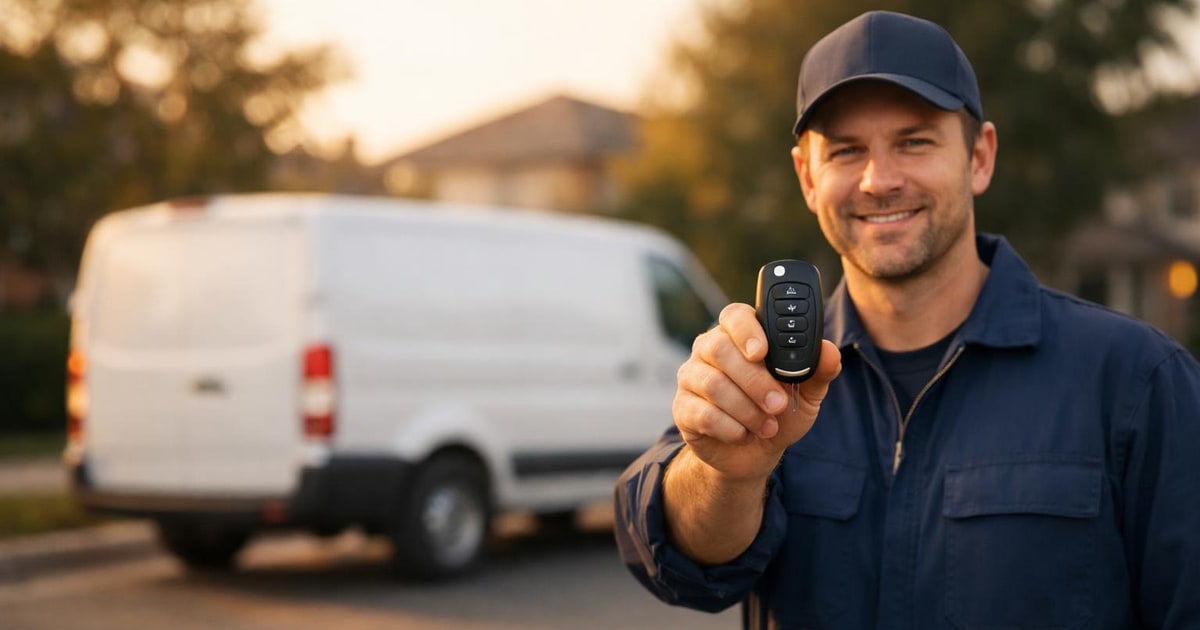
Electronic failures can sometimes be repaired as well. A cracked solder joint or a loose wire inside the fob can be fixed by a skilled technician with a fine soldering iron. Corroded battery contacts can be cleaned or replaced. A worn button membrane can be swapped out, restoring the tactile feel of the buttons. These repairs are worth considering if the key is otherwise in good shape and the cost of replacement is high.
Housing damage is often the easiest fix. Replacement shells are available for many key models, and transferring the internal components into a new housing is a straightforward job. A locksmith can do this in a few minutes, and it is usually the cheapest option. However, not all replacement shells are created equal. Some are flimsy and may not fit properly, so it helps to use a quality part.
Repair has its limits. If the transponder chip itself has failed, or if the circuit board is physically cracked or has extensive corrosion, repair may not be reliable. In those cases, a complete replacement is the better bet. Similarly, if the key blade is so worn that the cuts are shallow or the metal is showing signs of fatigue, a new blade is needed, but that counts as a repair if the rest of the key is reused.
When Full Replacement Is the Smarter Choice
Complete replacement becomes the right call when the key has suffered multiple failures or when the existing key is simply too old and worn to trust. If the blade, electronics, and housing are all showing signs of wear, trying to repair each part piecemeal can end up costing more than a fresh key. A new key gives you a clean blade with sharp cuts, fresh electronics that should last for years, and a housing that seals properly.
Another situation that calls for replacement is when the key has been damaged beyond practical repair. A key that has been snapped in half, run over by a car, or submerged in salt water is unlikely to be reliable no matter how much work you put into it. The metal fatigue from a bend or break can make the blade prone to snapping off inside the lock, which is a much bigger problem. A key extraction tool might get the broken piece out, but you still need a new key afterwards.
If you have lost all your keys and have no working copy, you need a replacement key programmed from scratch. That involves cutting a new blade to match the vehicle's lock cylinders and programming a new transponder chip to communicate with the car's immobiliser system. This is full replacement by necessity, not by choice, but it does mean you end up with a key that is as good as new.
Some modern car keys use proximity or smart-key systems. These keys contain a circuit board that communicates wirelessly with the car, and they often have no visible blade at all. Repairing these is more complex because the electronics are tightly integrated into the housing. If a smart key stops working, replacement is often the only practical option, especially if the car's computer does not recognise the key at all.
How a Locksmith Can Help
An automotive locksmith can assess your key and tell you whether repair or replacement makes more sense for your situation. They have the tools to read the key's transponder code, cut a new blade to the correct profile, and program a new chip if needed. They can also check the condition of the ignition cylinder and lock cylinder, because sometimes the problem is not the key itself but the lock it goes into. A worn ignition cylinder can make a perfectly good key hard to turn, and that is a separate repair altogether.
If you drive an older vehicle with a simple metal key, the decision is usually straightforward. A worn blade can be recut from the original code, and that is a quick, affordable repair. For newer cars with transponder keys and remote fobs, the cost of replacement can be higher, so repair is often worth trying first. A locksmith like Local GTA Locksmith can handle both options and will not push you toward a full replacement if a simple repair will do the job.
It is also worth noting that having a spare key made while your current key still works is a smart move. A spare gives you a backup if the original gets lost or damaged, and it avoids the hassle of having to get a replacement programmed from scratch. A locksmith can cut and program a duplicate key that matches your original exactly, and that spare can be a simple non-remote key or a full fob depending on your preference and budget.
What to Watch Out For
A few warning signs should prompt you to act before your key fails completely. If the key starts sticking in the ignition, do not force it. Forcing a worn key can cause the blade to snap off inside the lock, which is a much more expensive problem. If the remote buttons feel mushy or unresponsive, the button membrane is likely failing, and a repair now is cheaper than waiting for the whole fob to stop working. If the key housing is cracked, replace it before moisture gets inside and damages the circuit board.
When you decide on replacement, make sure the new key is cut from an accurate code. A locksmith can derive the correct cuts from the vehicle's VIN or from the lock cylinders themselves. A poorly cut key can cause the same problems as a worn one. Programming is equally critical. The transponder chip must be properly synchronised with the car's immobiliser, otherwise the engine will not start. This is not something a hardware store can do for most modern vehicles, which is why an automotive locksmith is the right resource.
The decision between repair and replacement ultimately comes down to the condition of the key and the cost and time involved. For a single worn component, repair is often the quickest and most economical route. For a key that has multiple points of failure, or if you are down to zero working keys, full replacement is the safer and more reliable choice. A professional locksmith can walk you through the options so you end up with a key that works smoothly and lasts.
If you are in the Greater Toronto Area and need a worn key looked at, Local GTA Locksmith can inspect the key and the vehicle locks to determine the best course of action. Whether it is a simple blade recut, a housing swap, or a complete new key with programming, the goal is to get you back on the road with a key that feels solid and works every time.